A local’s honest guide to visiting Glacier in September and October: what stays open, what closes, how the 2026 access rules work, and how to plan around unpredictable weather.
Fall in Glacier is unpredictable, which is part of what I love about it. I prefer late September for the best balance of fall color, access, daylight and lower crowds. October brings more solitude and vibrant colors, but also more weather and closure variables.
If you like spontaneity and are willing to pivot, fall is a great time to visit. If you need every stop on your itinerary to happen exactly as planned, it might test you. Smoke, rain, snow and wildlife closures can change plans quickly, so having backup options is important no matter when you visit.
A little preparation and flexibility can keep changing conditions from ruining your trip.
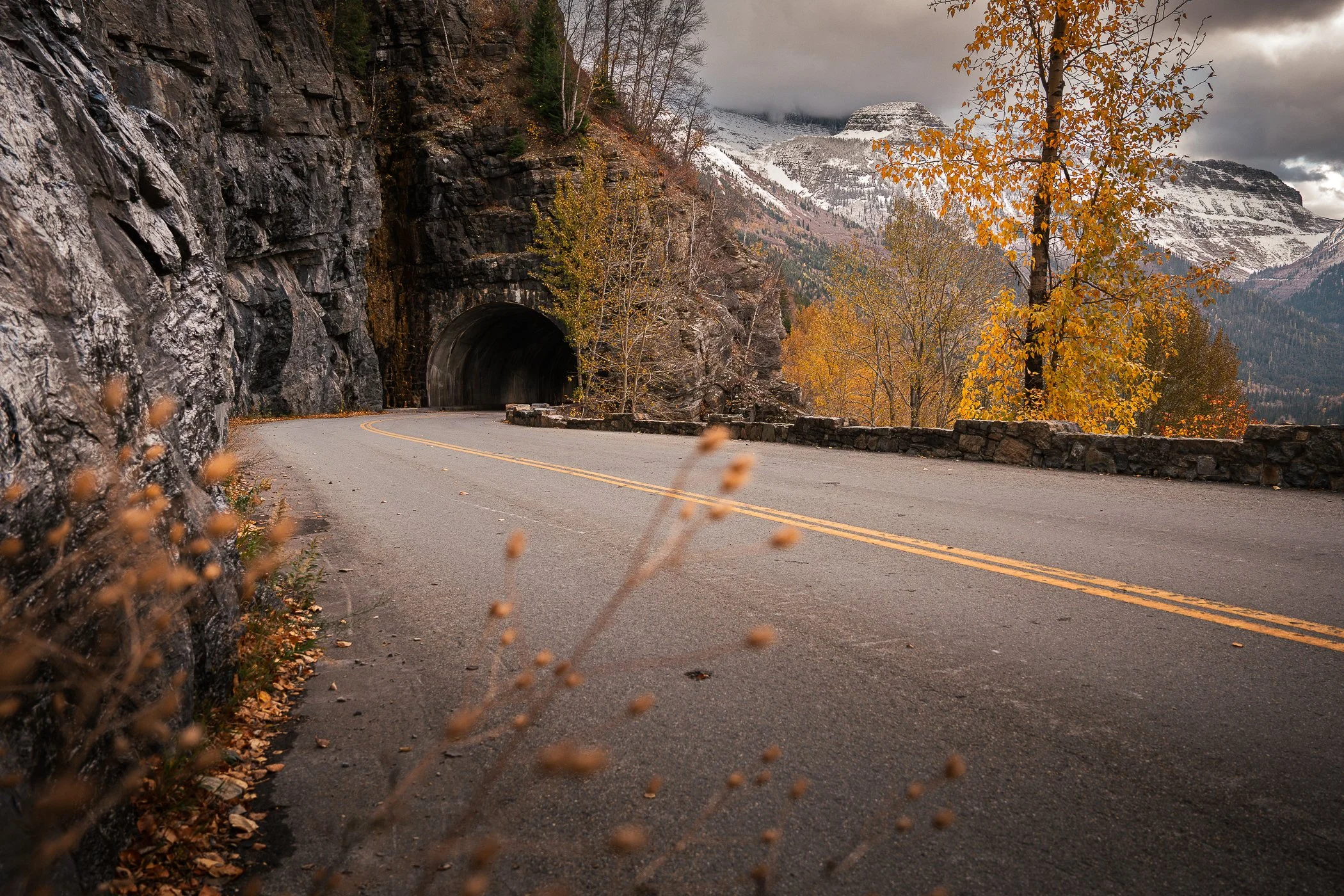
Going-to-the-Sun Road via Bike on October 21, 2025
Getting into the park in fall: the 2026 rules are actually in your favor
Here’s the good news: in 2026, no vehicle reservations are required, and the 3-hour Logan Pass parking limit runs only from July 1 through September 7.
You should still arrive early at popular locations like Logan Pass since parking can fill up quickly. Check the official rules at the Glacier National Park Logan Pass 2026 page for details.
Is fall a good time to visit Glacier National Park?
Fall offers cooler temperatures, fewer crowds, and the days get progressively shorter so I can squeeze in both sunrise and sunset while getting enough sleep. Photographers will understand, but you don’t need a camera to make the most of your time here.
On September 1, 2026, sunrise is at 6:58 a.m. and sunset is at 8:23 p.m. By mid-October, sunset is before 7 p.m. That gives you less time for a packed itinerary, but makes sunrise and sunset much more reasonable.
Notably, whenever you visit, you won’t fit everything in the park in one visit. Those of us that live here still haven’t done it all, but we are out here trying. Going-to-the-Sun Road often stays open into October, but there is no set closing date. In 2025, the alpine section began experiencing intermittent vehicle closures in October before closing for the season. Check current road status rather than planning around historical dates.
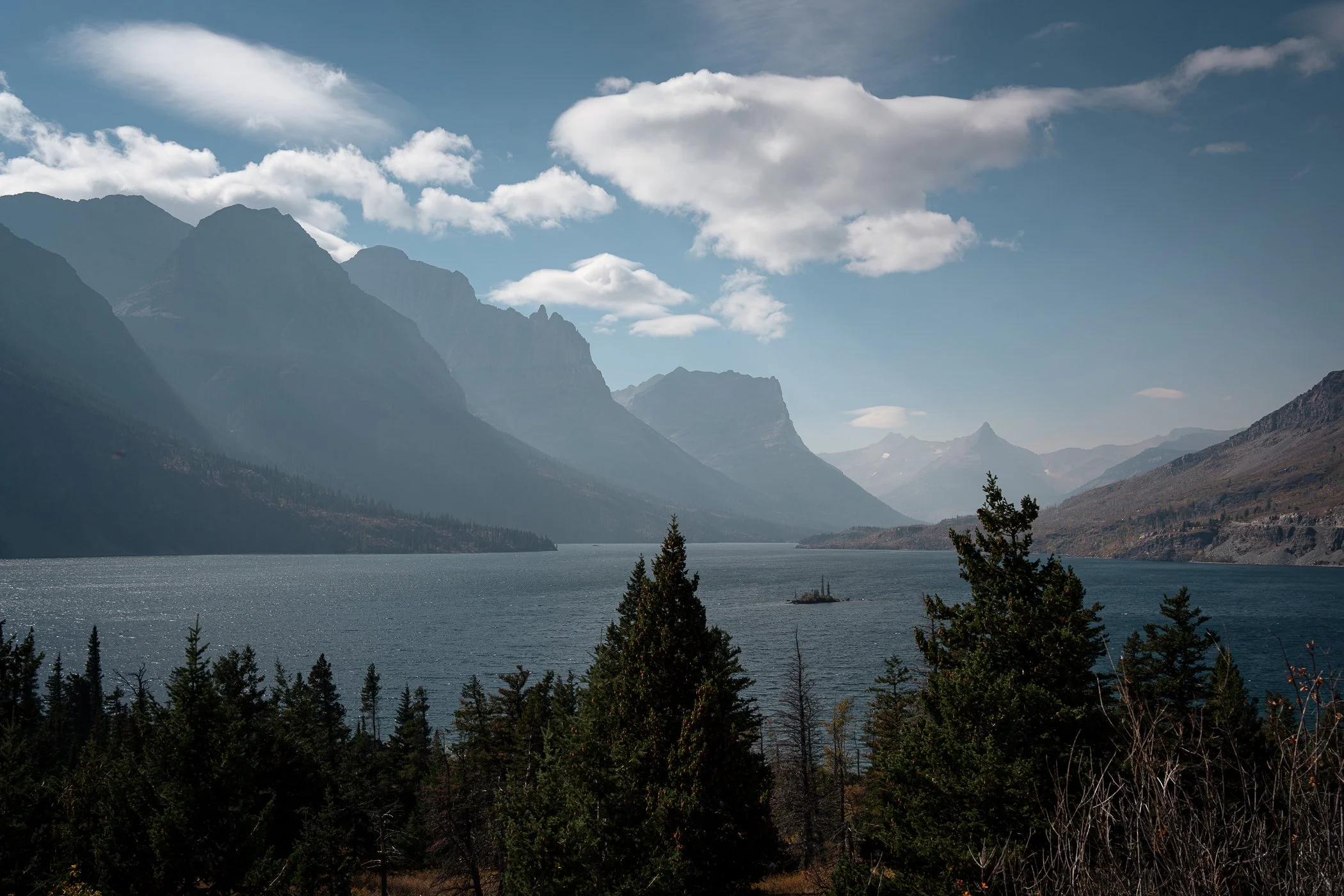
Some smoke at Wild Goose Island on September 27, 2025
September in Glacier National Park
Early September feels like summer, but the one thing you’ll notice is daylight starting to progressively slip. Weather can still range from warm afternoons in the 60s and 70s to nights in the 30s and 40s. The east side of the park generally runs colder and windier than West Glacier. Snow can always arrive early.
Check the park’s weather information before you pack.
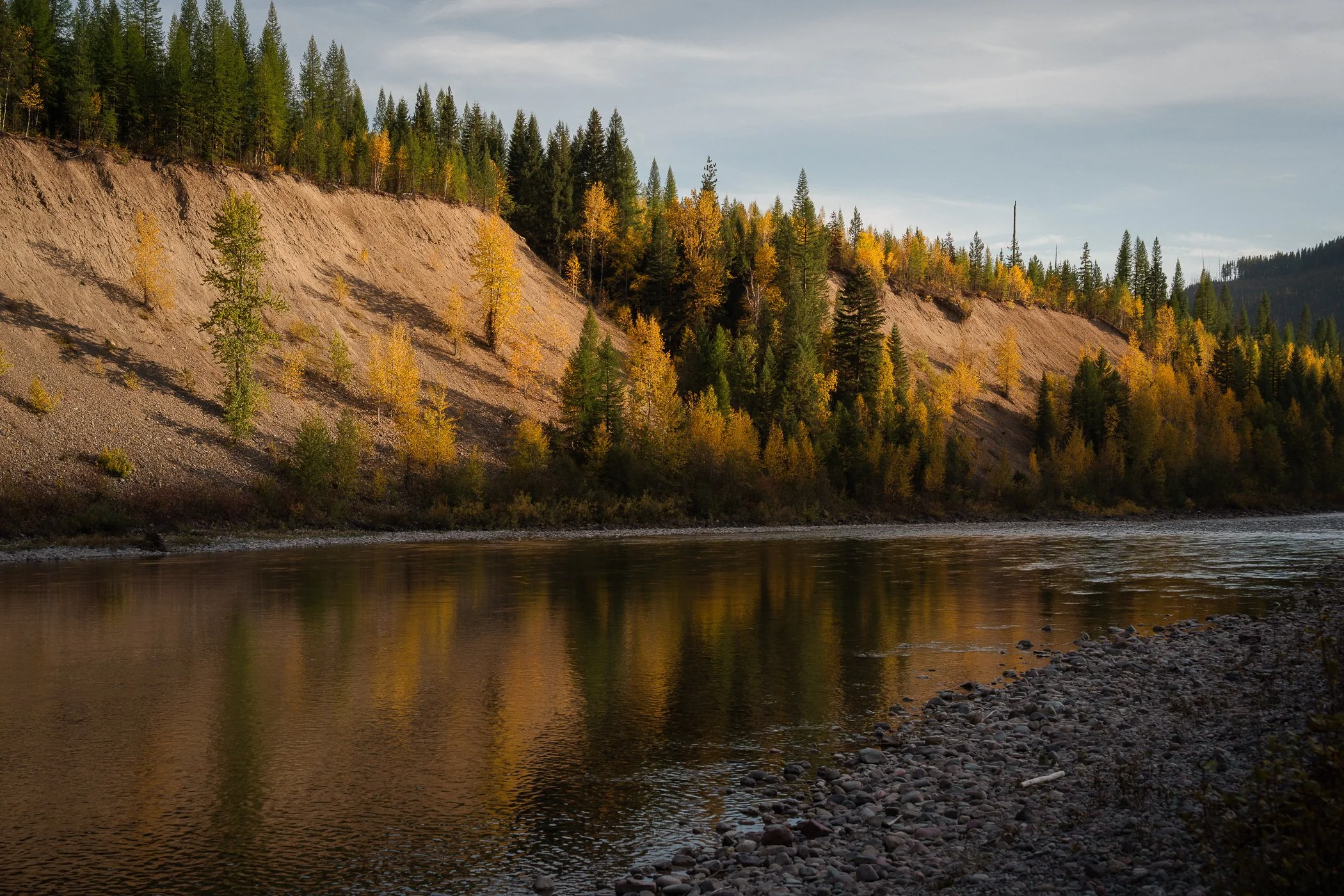
North Fork Fall Colors on September 28, 2025
Early September: Get after it
If you are visiting in early September, my advice is simple: spend every day outside rain or shine. This is when I would prioritize the higher-elevation objectives you have been wanting to tackle while conditions and access allow.
Services are still operating at the beginning of the month, although that changes as September progresses. By later in the season, you will see more businesses, campgrounds and amenities close.
If you are building your first Glacier itinerary, start with my Glacier National Park planning article and then build out your hiking list from there with a few recommendations of short hikes worth the hype.
Fall colors start appearing toward the end of the month, giving you a completely different landscape from early summer.
Late September in Glacier
By late September, I would start organizing your plans by elevation.
Keep your must-see hikes and locations, but have lower-elevation alternatives ready in case weather or closures knock something off the list.
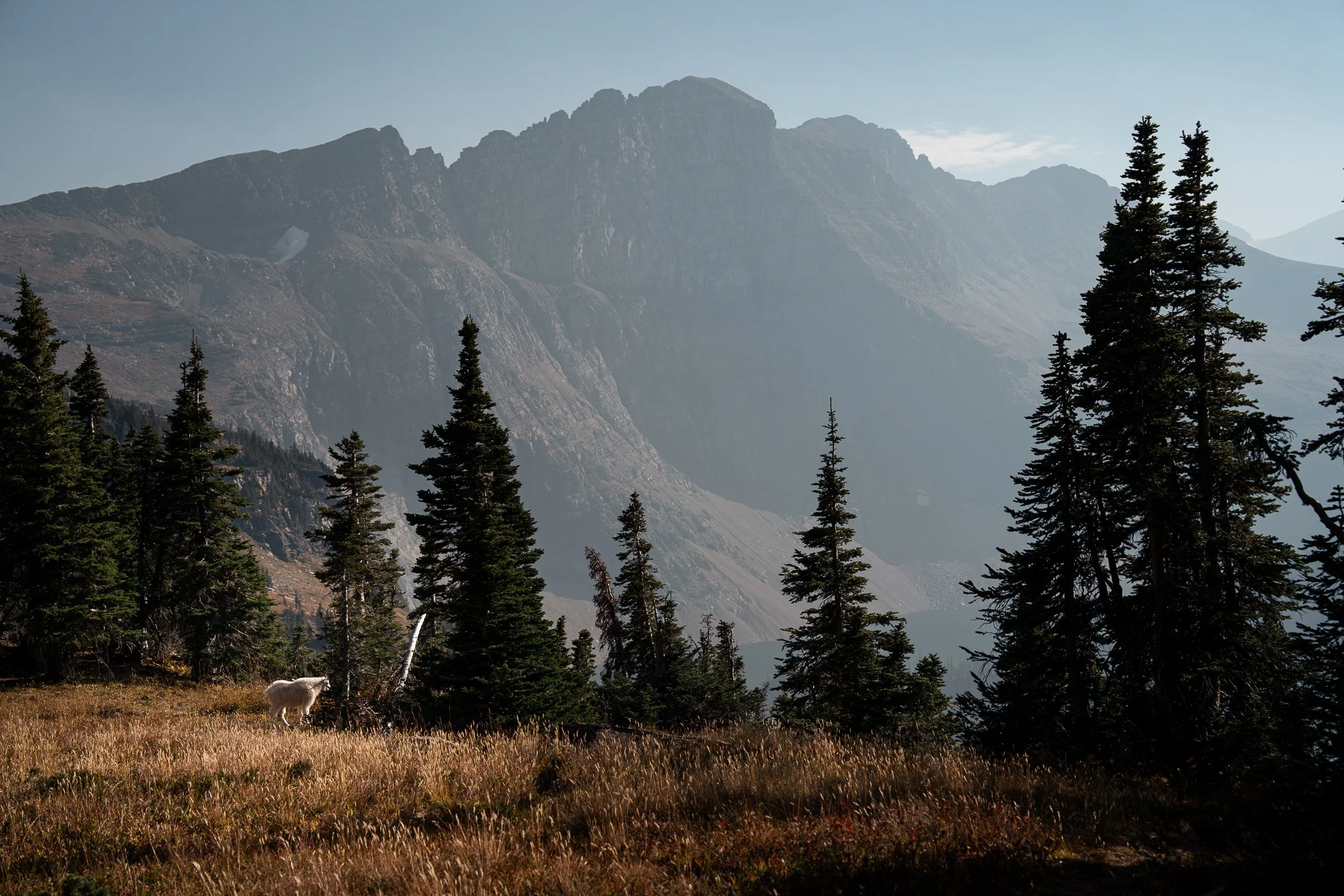
Hidden Lake Overlook on September 27, 2025 (did you catch the goat)?
If you are planning to camp or head into the backcountry, check campground availability and current access before you go. Check out my Glacier backcountry packing list.
October in Glacier National Park
October is when the landscape really changes. Larches and aspens can turn brilliant shades of yellow, although the timing varies from year to year. Peak time is variable, but is usually by early to mid-October. Autumn foliage is incredible for photography, but you do not need a camera to appreciate it.
One of my favorite fall experiences is biking Going-to-the-Sun Road after vehicle access becomes limited. Last year, the road intermittently closed to cars while remaining open to hikers and bikers, creating a completely different experience from summer and even the spring.
A last-minute bike rental from a local shop can lead to moments like this in October, when you have the road almost entirely to yourself.
Some years, fall lasts longer than others. Those are my favorite.
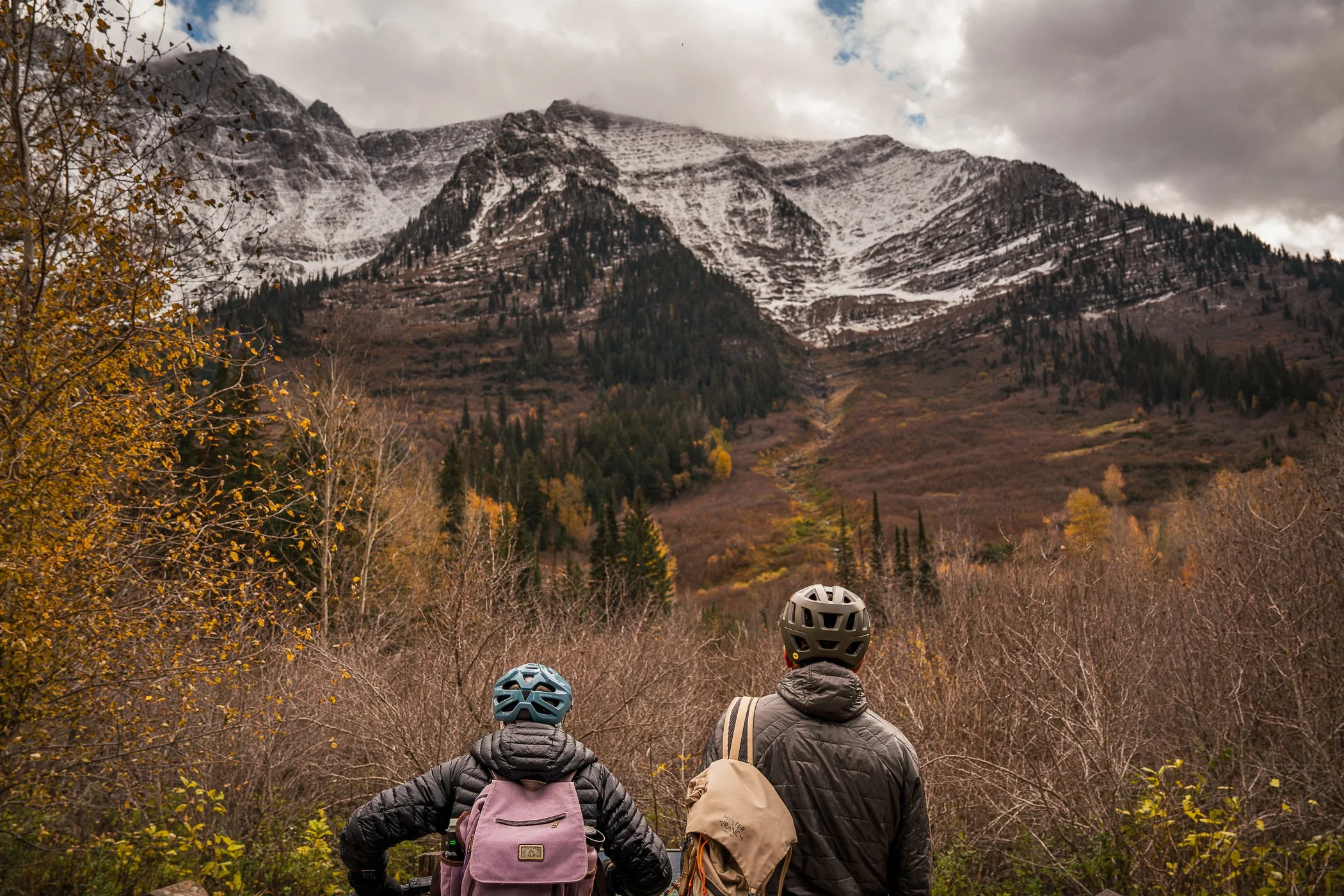
September vs. October: Which should you choose?
If someone gave me one week and said I could only choose September or October, I would choose the end of September. The weather becomes more unpredictable in October, and less becomes accessible as the season progresses.
Choose September if you want:
Fewer crowds than the peak summer months
A better chance of tackling your must-see locations
More accessibility
Longer daylight
Hiking, biking, fishing and other summer activities
The beginning of fall color
September is the better choice if you have a list of places you really want to see but still want a taste of fall.
Choose October if you want:
More solitude
Fall color and larches
More flexibility in your schedule
The ability to plan around weather windows
Sunrise and sunset photography
A willingness to change your plans
October can be incredible if you are comfortable with uncertainty. Each year is truly a toss up.
Fall wildlife in Glacier
Fall is an important time to pay attention to wildlife safety, particularly bears as they prepare for winter.
Carry bear spray, make noise, hike in a group and follow the park’s food storage and bear safety guidance. Keep your distance from wildlife and follow current park regulations rather than relying on rules you have heard elsewhere.
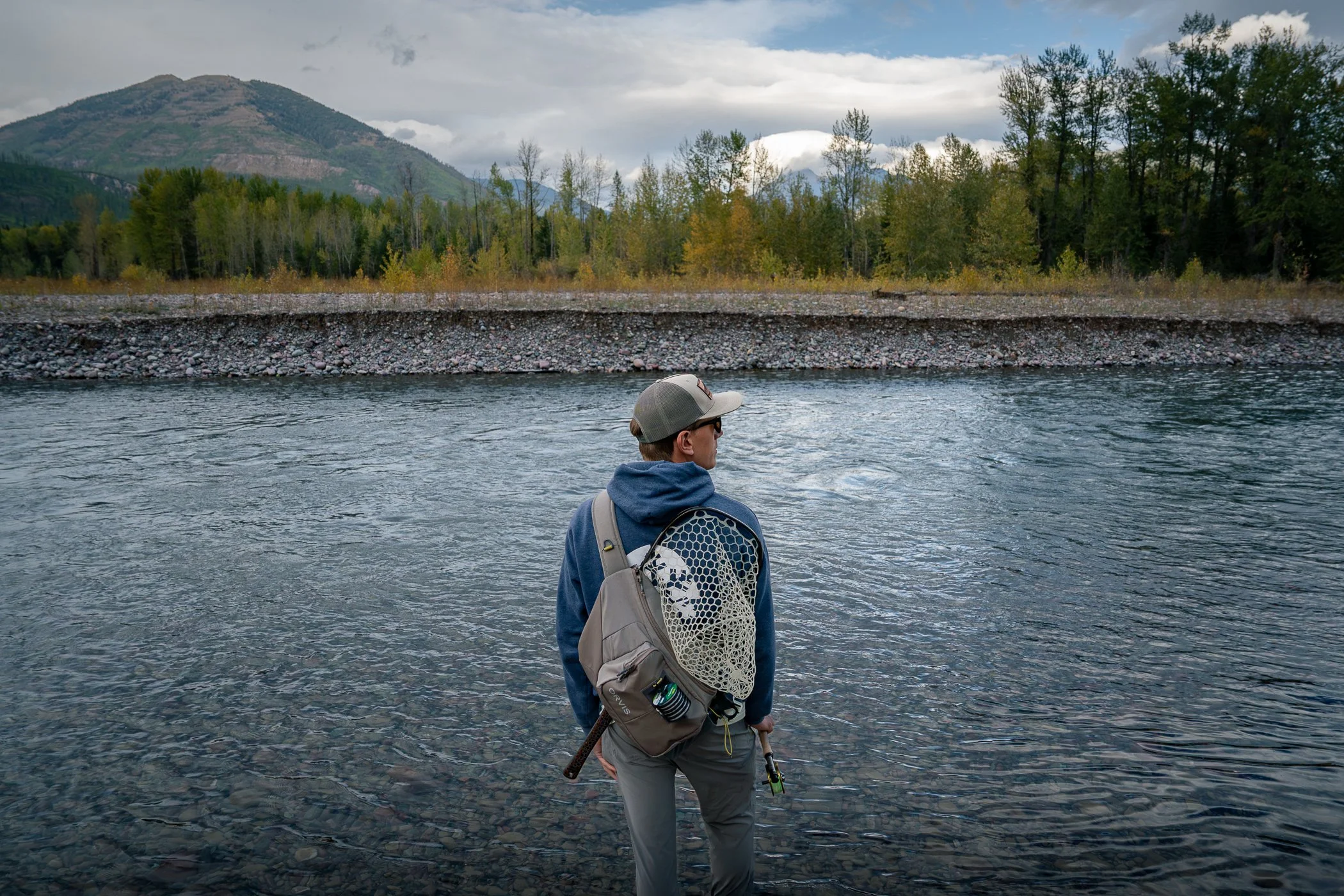
What to pack for Glacier in September and October
Your summer packing list does not completely disappear in the fall. You just need to build in more protection against changing conditions. For a week-long Glacier vacation with five days of outdoor activities, I would start with:
Solid hiking shoes or boots
More socks than you think you will need, especially if rain or wet conditions are possible
A puffy layer
A rain layer
Quick-drying hiking pants
An additional warm layer
Wool layers
Conditions can change quickly, so I would rather have something in my pack that I do not end up using than discover I needed it after I am already out there.
For a more detailed list, see my Glacier National Park packing guide for day hikes.
Before you visit Glacier in fall
Fall is one of those times when checking conditions shortly before you head out matters more than building the perfect itinerary months in advance. Make sure to check before you enter the park because you will not have cell phone service.
Before your trip, check:
Air quality if there is smoke in the forecast (I use the app Watch Duty to monitor)
Sunrise and sunset times
Campground availability
Current park access information
The best thing about fall in Glacier
Fall in Glacier is not about squeezing every possible experience into one trip. Some years, the season stretches out and gives you weeks of incredible weather and access. Other years, smoke, snow, wildlife closures or an early winter change the equation.
Weather can create some incredible conditions that you might not see at any other time of year. You just have to be willing to change the plan when Glacier tells you to.
Frequently Asked Questions
-
Yes. September can offer a good balance of lower crowds, continued access to many summer activities, longer daylight than later in fall and the beginning of fall color. Early September generally offers more accessibility than October, although conditions and closures can change.
-
October can be an excellent time to visit if you’re comfortable with unpredictable weather, shorter days and more closures. The payoff can be fall color, larches, fewer people and much more solitude.
-
For most visitors who have a list of must-see locations, I’d choose late September. October can be better for visitors who prioritize solitude, fall color and flexibility over guaranteed access.
-
There isn’t one guaranteed peak date. Fall color changes from year to year and varies by elevation and location. September typically begins the transition, while October can bring more dramatic color and larches, depending on the year.
-
It can be, but conditions and access change throughout the season. Check current park conditions before your trip rather than assuming the road will be open based on historical dates.
-
Yes, but your options can become more limited as the season progresses. Weather, snow, wildlife activity and seasonal closures can affect access, so having lower-elevation alternatives is important.
-
Layers are essential. Bring solid hiking shoes or boots, extra socks, a puffy layer, rain protection, quick-drying hiking pants, warm layers and activewear. Conditions can change quickly, so preparation matters more than packing for a single expected temperature.
-
Yes. Fall is an important time to take bear safety seriously as bears prepare for winter. Follow current National Park Service guidance on food storage, hiking and wildlife encounters.