Visiting Glacier National Park for the First Time: What to Know Before You Go
Introduction
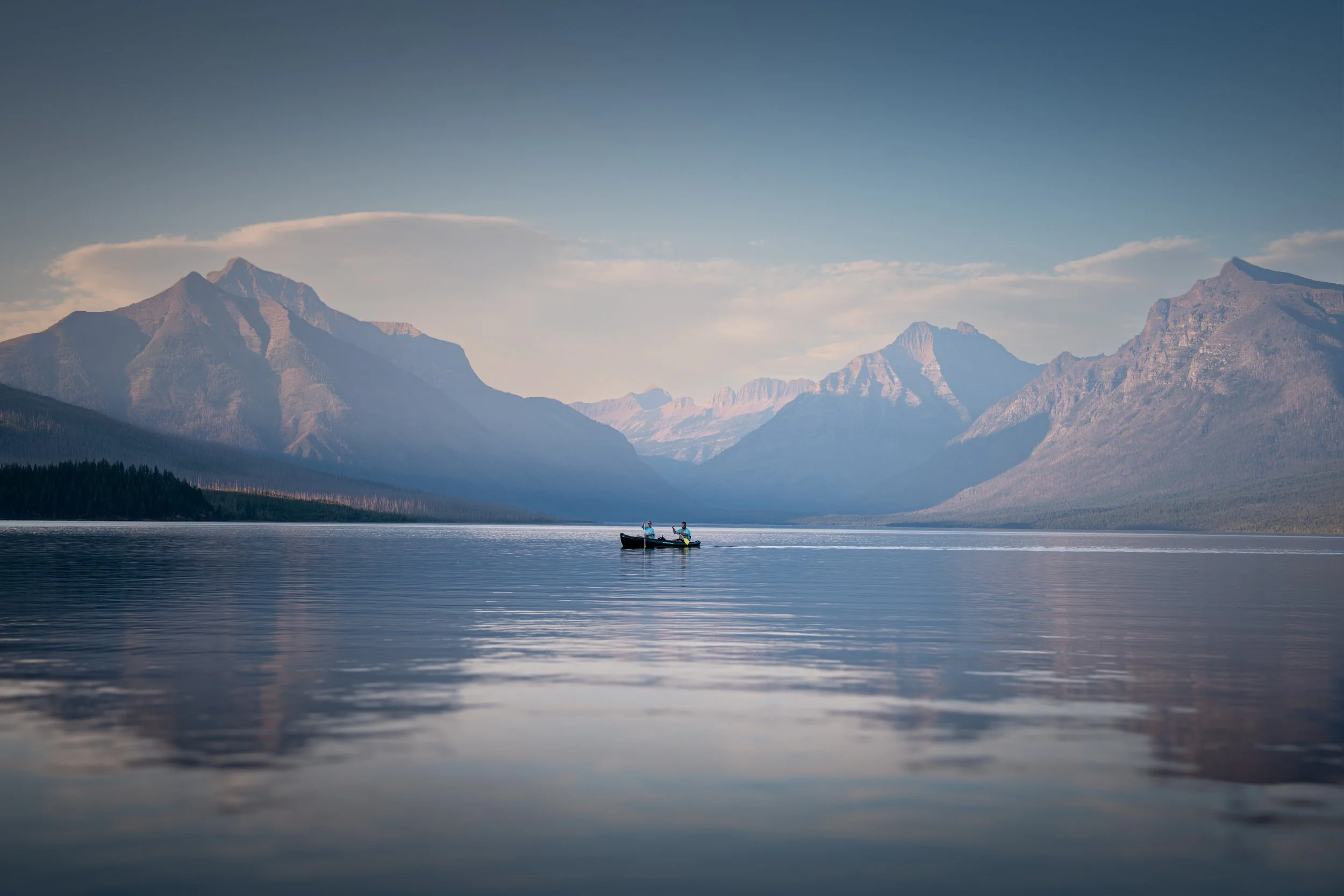
First visits to Glacier National Park tend to produce two reactions: awe and logistical confusion. The scale, terrain, and seasonal limitations surprise many travelers, especially those expecting a conventional park experience.
This guide exists to orient you, not to plan every hour. Think of it as a starting point for understanding how the park works before building your own trip.
If you want route optimization, trail comparisons, or structured itineraries, check out my other Glacier materials like my: Uncut Guide to Glacier National Park and the Surrounding Area.
Understanding the Scale
Glacier National Park is not a single destination. It is a collection of distinct regions separated by terrain, elevation, and access patterns. There are five main areas of the park accessible by vehicle including: North Fork, West Entrance, Saint Mary, Many Glacier, Two Medicine. Other areas like Goat Haunt are only accessible by foot.
Driving across the park alone can take hours. Trails range from roadside walks to multi-day routes. Weather varies dramatically by elevation.
A common mistake is underestimating transit time and overestimating how much can be accomplished in a day. Treat it as a landscape to explore rather than a checklist to complete. Your experience improves significantly when expectations align with geography.
When to Visit
Summer offers the greatest access to infrastructure, trailheads, and services. It also brings higher visitation and competition for parking and lodging.
Winter provides solitude and a different sensory experience, but comes with road closures, reduced services, and increased preparation requirements.
Shoulder seasons exist between these extremes, and access may vary year to year depending on snowpack and maintenance schedules. Regardless of timing, approach your trip with realistic assumptions about availability.
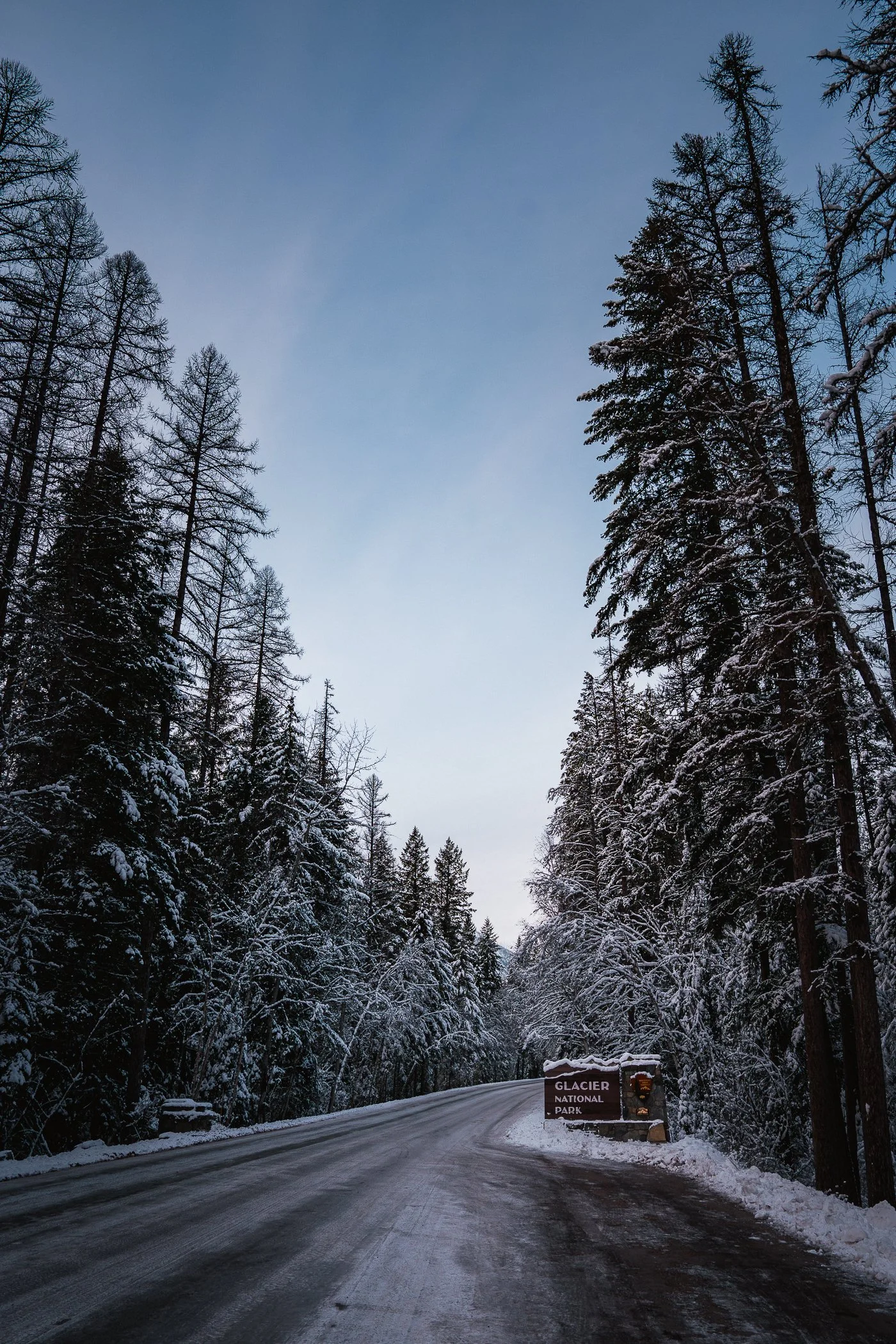
Entry Logistics Are Not Static
Access policies change regularly in response to visitation patterns and safety considerations.
Adjustments have included:
reservation requirement changes
parking management strategies
shuttle system revisions
Relying on outdated information can disrupt a trip before it begins. I update an article each spring with changes from the National Park Service. Here’s what we know so far for the proposals for 2026.
Always verify current road conditions, wildlife closures, and updates directly from the National Park Service before daily departures into the park.
What Most First-Time Visitors Underestimate
Time Required
Distances between regions are substantial. Even short stops accumulate quickly.
Physical Demand
Elevation, exposure, and uneven terrain increase effort beyond what trail mileage alone suggests.
Preparation Needs
Weather shifts, wildlife presence, and limited connectivity require advance thought.
Emotional Impact
Many visitors leave already planning a return trip.
Choosing Where to Base Yourself
Gateway communities surrounding the park offer different experiences depending on travel priorities.
Some function as practical staging areas with:
grocery access
fuel availability
lodging range
dining options
Some prefer proximity to the park over other amenities. Your home base will change your daily flexibility on an itinerary more than other National Parks.
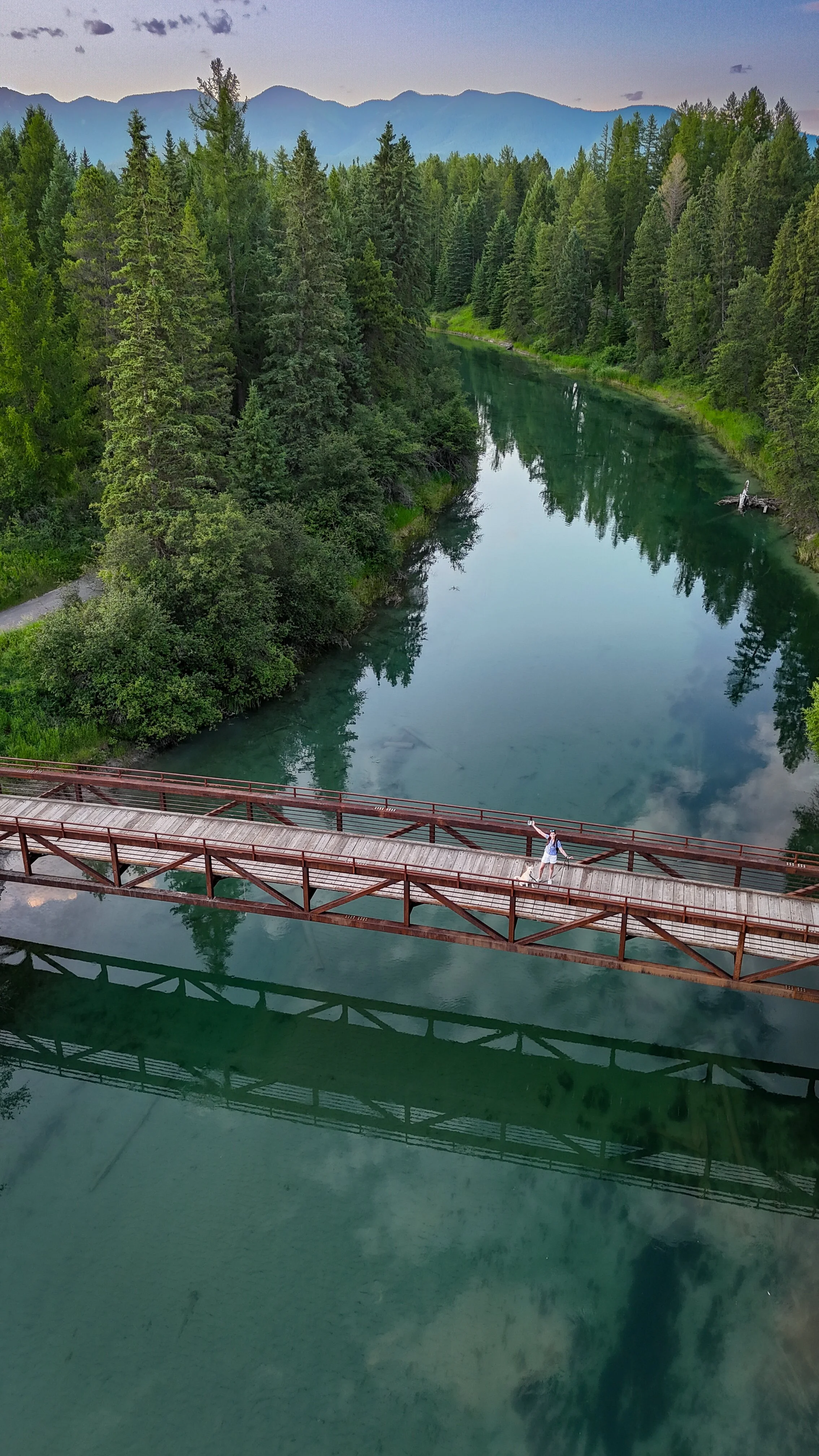
Exploring nearby towns can also deepen the trip beyond park boundaries and provide balance between outdoor time and recovery.
Core Experiences to Consider
Without prescribing routes or rankings, most first-time visits include some combination of:
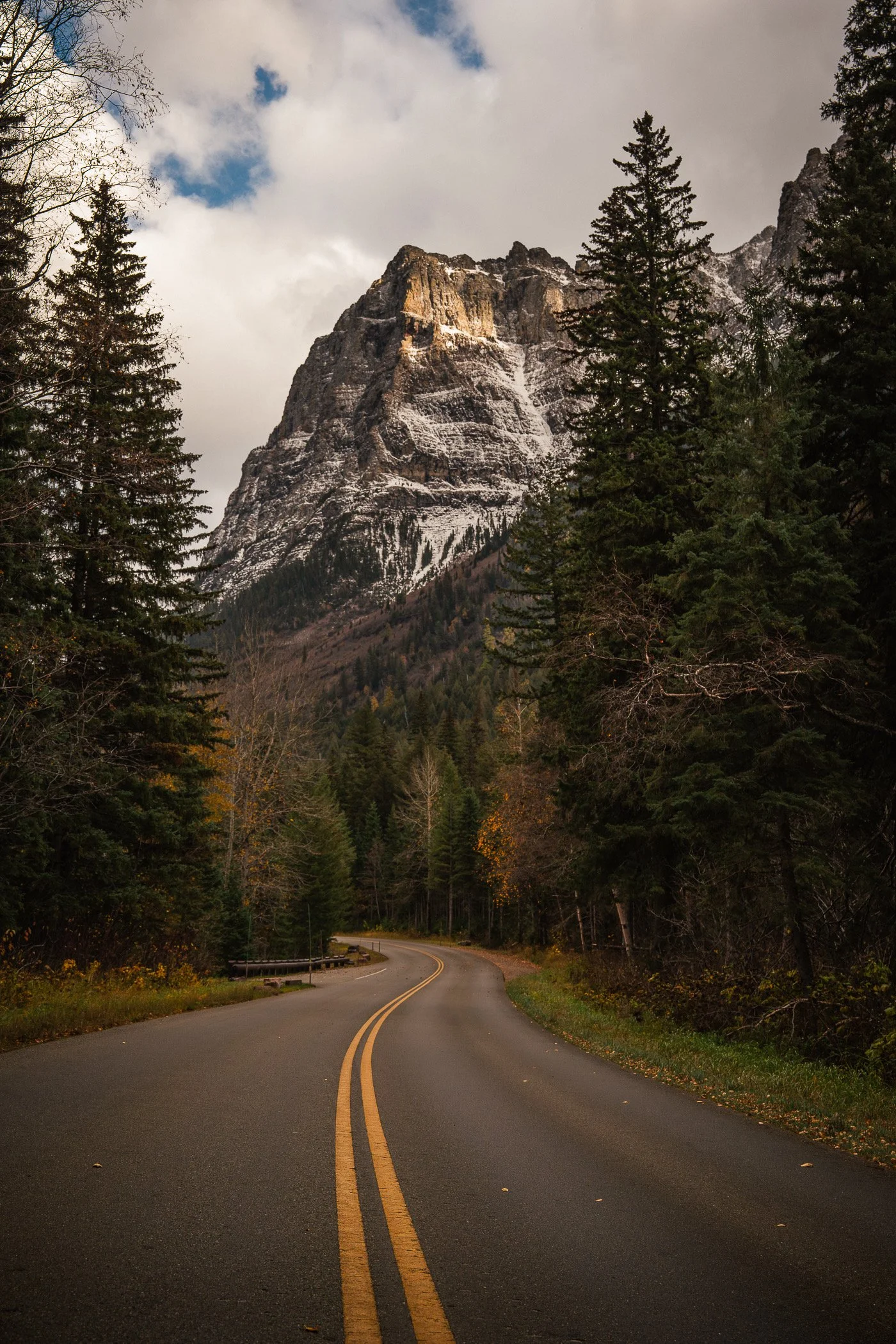
Scenic driving on Going to the Sun Road to see major lookout points like the Weeping Wall or Triple Arches
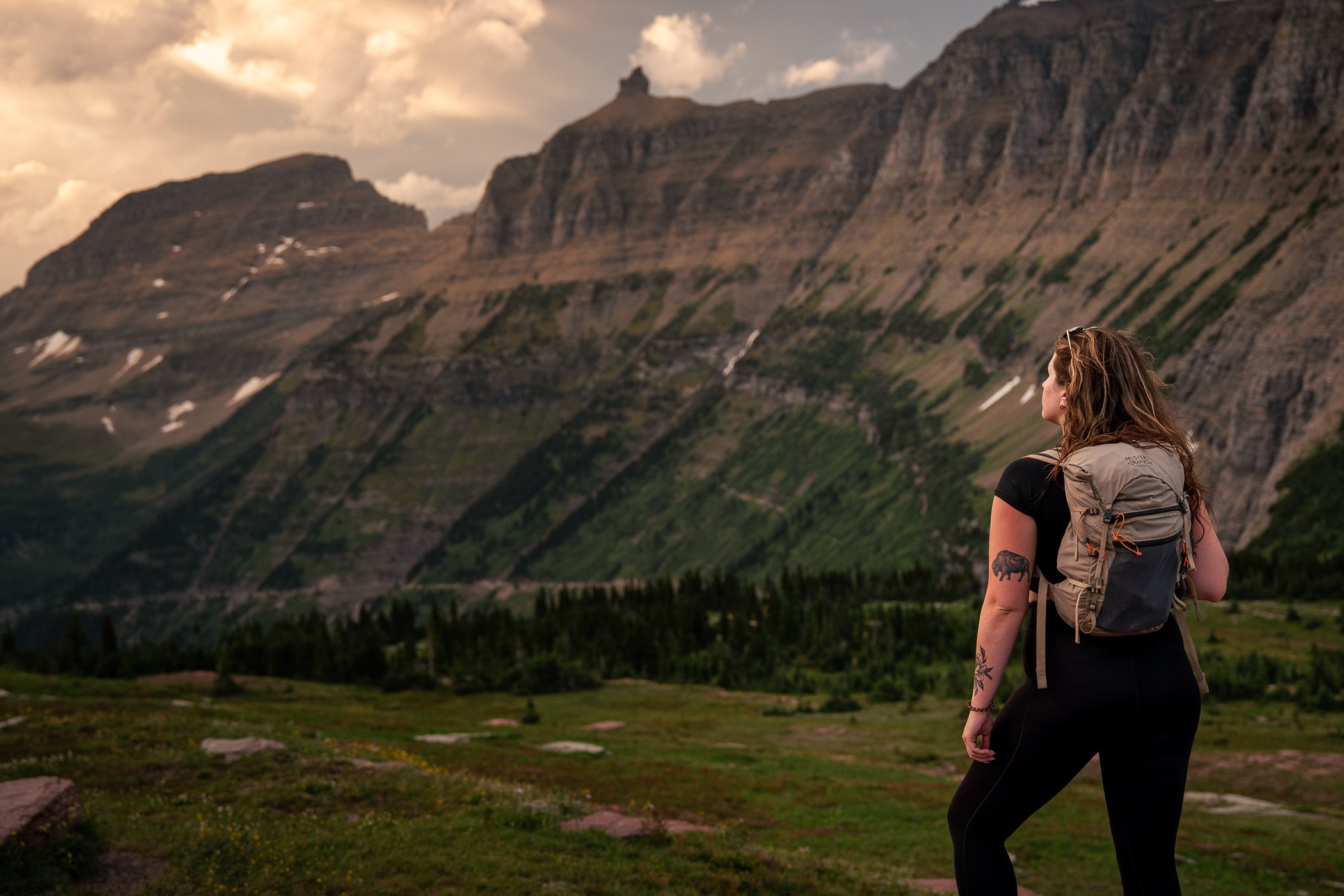
Introductory hiking like Hidden Lake Overlook
Lakeside viewpoints from Apgar
Wildlife observation in Many Glacier
Local exploration outside park boundaries for shops and restaurants
These elements collectively provide a well-rounded introduction without requiring aggressive scheduling.
Frequently Asked Questions
-
That depends on your expectations and travel style. A few days can introduce the landscape, while longer stays allow deeper exploration across multiple regions (check out my Banff Itinerary for First-Time Visitors). Many visitors find that their first trip helps them understand how they want to plan the next one rather than fully covering the park.
-
Entry systems, parking controls, and shuttle operations evolve frequently. Requirements may vary by season and access point.
Before traveling, review the current guidance here: 2026 Glacier Entry Rules (updated each Spring).
-
Yes, but preparation matters. Trails range from very accessible walks to physically demanding routes. Elevation gain, weather exposure, and terrain should be considered regardless of experience level. Starting conservatively and building up is generally the most effective approach.
-
Earlier arrival improves parking availability, reduces congestion, and allows flexibility if conditions change. Exact timing varies by season and location, but building margin into your schedule will improve the experience.
-
Layered clothing, water, and basic safety considerations are essential. Conditions can shift quickly and services may not always be nearby. For detailed gear considerations while on the trails check out my pack list.
-
Peak season visitation can be significant, particularly at well-known access points. However, thoughtful timing and willingness to explore beyond high-traffic areas can create quieter experiences.
Common First Visit Mistakes
After watching how people move through their first visit, certain patterns appear repeatedly. Most are not dramatic errors, just small assumptions that compound over a few days.
Packing too much into each day often leaves little room to absorb the landscape. Elevation and terrain can introduce fatigue faster than expected, particularly for those arriving from lower altitudes. Weather variability is another frequent surprise, and focusing only on the most recognizable stops can limit the sense of discovery that makes the park memorable.
Equally important is pacing. Allowing space to recover between longer outings or travel-heavy days changes how the entire trip feels. Small adjustments in expectations and timing typically lead to a more grounded and enjoyable visit overall.
A Note on Planning Depth
A first visit can absolutely be spontaneous. Many travelers prefer approaching Glacier with openness rather than rigid structure. At the same time, deeper preparation often leads to smoother decision-making once you arrive.
This overview is intentionally focused on orientation rather than execution. Detailed itineraries, regional comparisons, and route optimization live within my broader Glacier planning resources for those wanting a more structured approach.
Think of this article as helping you understand the landscape. The extended materials are designed to help you move through it with precision. Looking for some books about the west? Check out my post on what I’m reading as I explore the West.

Closing
A first visit rarely feels complete, and that is part of the experience. Start here. Explore with flexibility. And when you are ready to go deeper, there is always more to uncover.