Biking Going-to-the-Sun Road: Best Times, Road Closures, & What to Expect (2026 Guide)
Updated: January 29, 2026
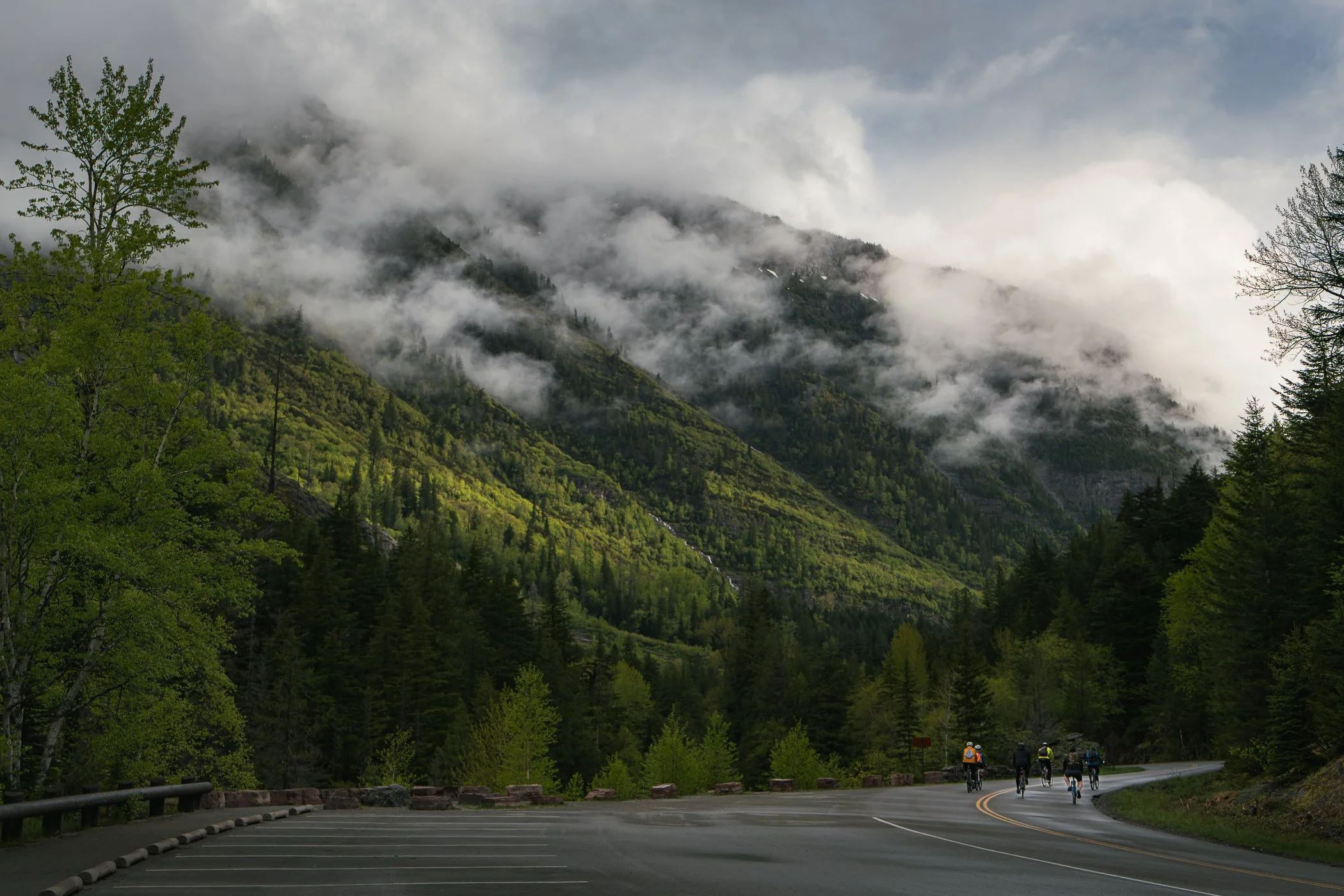
Cyclists early morning in spring biking Going-to-the-Sun Road.
Biking Going-to-the-Sun Road is one of the most unique ways to experience Glacier National Park, but timing, road restrictions, and conditions can make or break the experience. Here’s exactly what to know before you go.
Overview
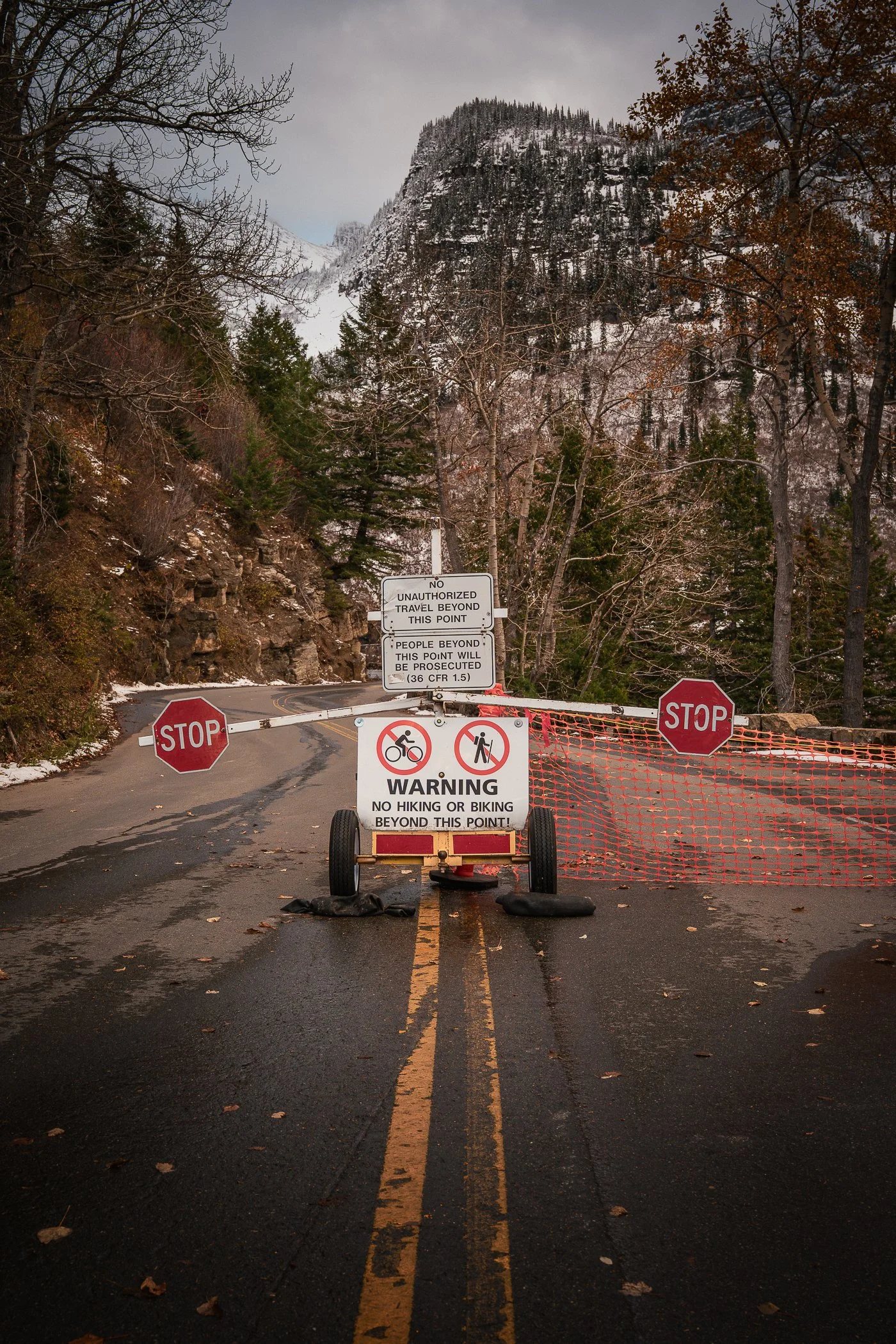
Glacier National Park’s peak summer season typically doesn’t start until late June or early July and runs through sometime in October. It’s difficult to plan visits based on the road status and snow clearing progress is completely weather dependent. Outside of the summer season, the upper sections of Going-to-the-Sun Road (the 50 mile stretch connecting the West Entrance to St. Mary) remains closed to vehicles and for short stents only open to hikers and bikers.
Arriving before peak season has its rewards. My favorite? The chance to bike Going-to-the-Sun Road while is free of cars, with nothing but mountain air, cliffside views, and quiet except for the hum of e-bikes you’ll encounter. If you’re able to ride a standard bike, prepare to climb 800-3,000 feet of elevation depending on the closure point. E-bikes have allowed accessibility to this once and a lifetime adventure.
Before choosing travel dates, check out the latest Glacier entry and parking proposals since policies shift year to year. For air travel, specifically expect disruptions in 2026 due to airport closures at Glacier International Airport.
*This post contains affiliate links, which means I may earn a small commission if you purchase at no extra cost to you.

When & Where You Can Bike Going-to-the-Sun Road
From the West Entrance, drive as far into the park as permitted and ride from there - typically Lake McDonald Lodge or Avalanche Lake Trailhead.
For the last two years, Mother’s Day weekend is when the park opens the road as far as Avalanche campground. Parking fills up quickly (around 7:30 a.m.), so arrive early to avoid looping the parking lot looking for a spot.
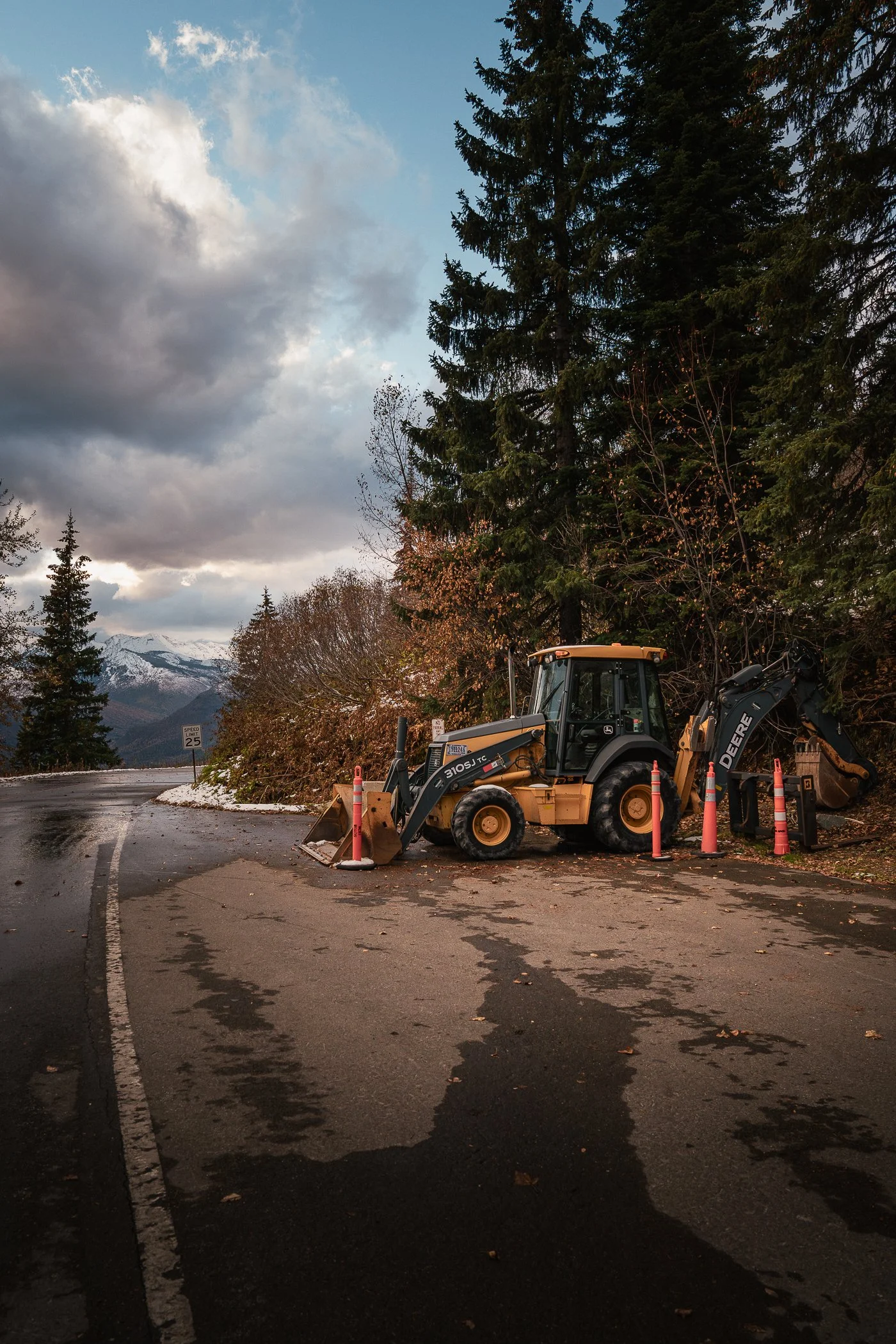
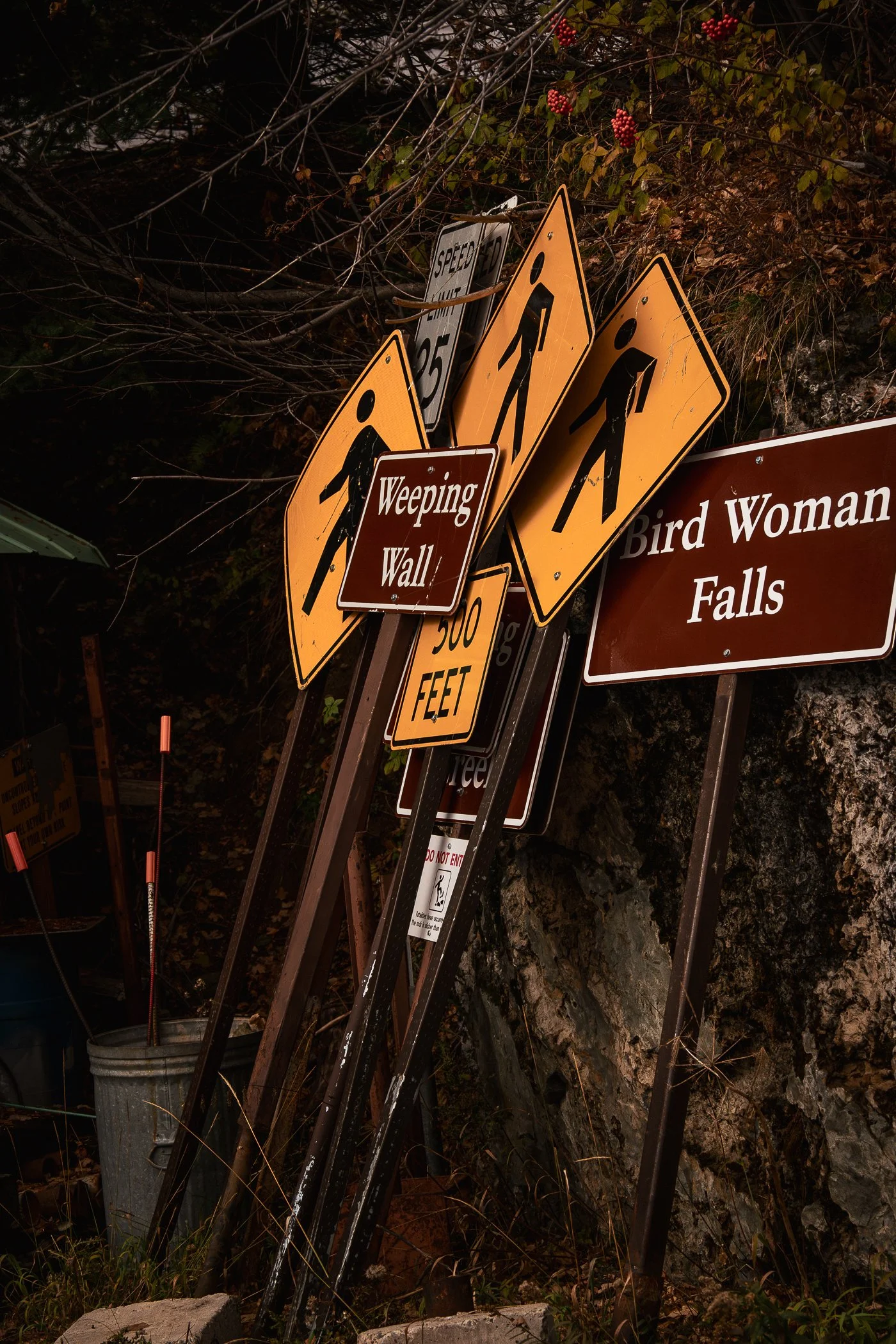
Construction crews often close the roads to cyclists on weekdays during regular business hours, so check current road status updates before your ride. Friday - Sunday are the most reliable days.
Is this your first time visiting Glacier National Park? Explore this framework before you define your itinerary.
→ Pro-tip: Conditions can change quickly, in August 2024, Logan Pass closed for a day due to snow! Flexibility is key.
Bike Rentals & Logistics
Here are several rental options for 2026 (verify pricing and availability before you go):
Whitefish Outfitters & Tours: starting at $90/day for ebikes & $70 a day for regular bikes
Good Times Supply: starting at $75/day
Montana E-Bikes: starting at $99/day (business is currently for sale - check for changes under potential change of ownership)
Flathead Outdoors: starting at $60/2 hours
I’ve personally rented from Montana E-Bikes and have loved both the Aventon Pace and the Aventon Sinch models. Most rental shops include a helmet, bike lock, and charger, but confirm before pick up.
If you plan to transport your bikes, ask about racks or truck pads. E-bikes are heavy and while staff will help you with loading, make sure you can manage once you’re on your own.
How to Prepare: Safety & Gear
Beyond the loop, expect avalanche zones, rockfall, steep descents, and cold temps. Rangers have responded to hypothermia cases and other emergencies from riders unprepared or sudden changes in conditions.
Essential Gear List
Bear Spray & holster (can’t fly with it)
Backpack (I use an Osprey 40L travel bag for camera and layers)
Plenty of snacks & water (grab supplies in Columbia Falls or Whitefish)
Rain gear (jacket & pants), hiking boots (waterproof), winter hat, gloves, & warm socks
First aid kit
Can You Bike After the Road Opens to Cars?
Yes, experienced cyclists can still ride Going-to-the-Sun Road during summer, except during the restricted hours of 3pm and 6pm. However, the road is narrow and carries lots of risk, so I don’t recommend it once vehicle traffic resumes.
My 2025 Ride Recap
We started around 8:30 a.m. from Avalanche Lake trailhead under low clouds and light drizzle, the kind of moody spring morning that Glacier is famous for.
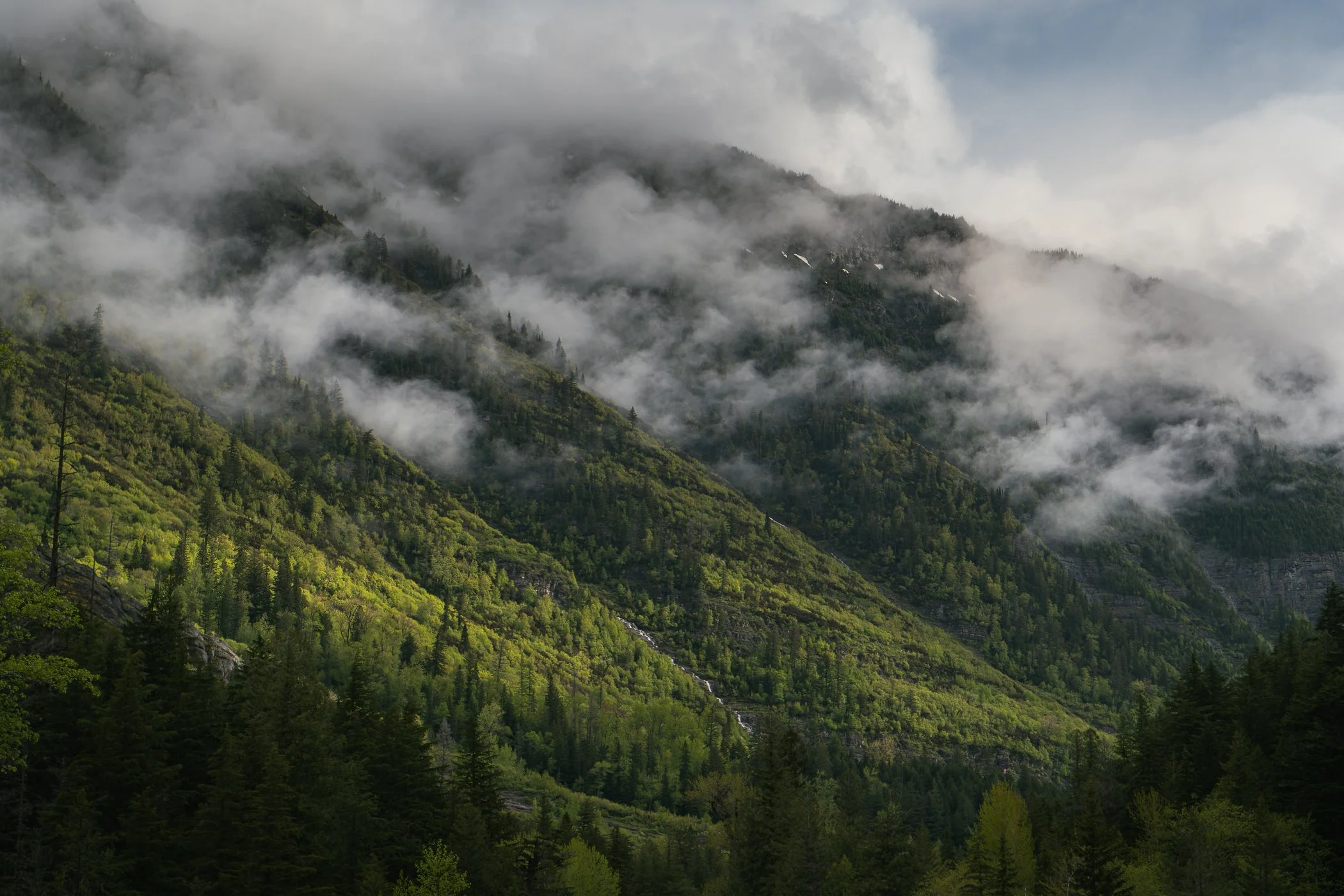
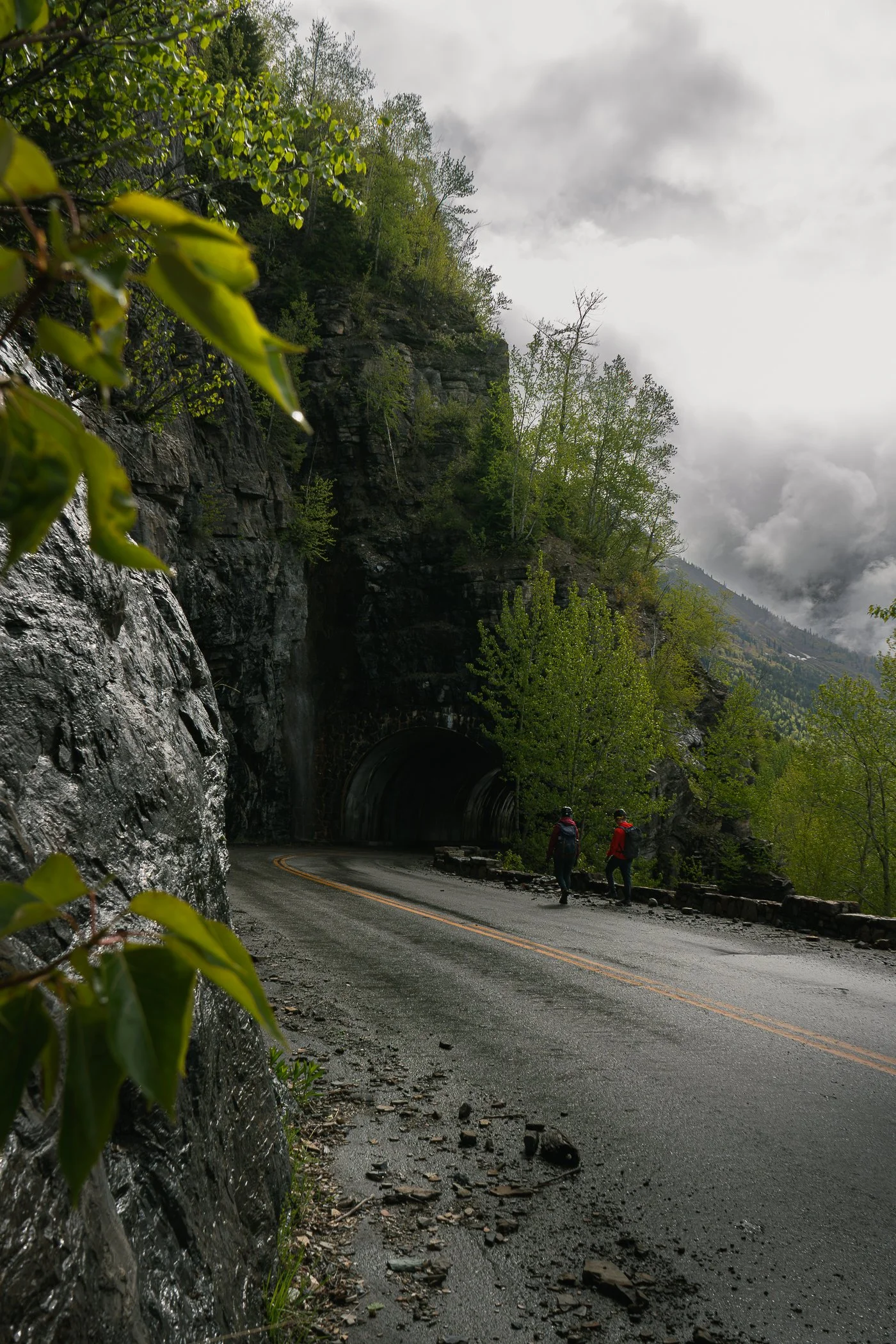
By late morning, blue skies broke through, revealing waterfalls in the distance (and spraying the road) while biking through tunnels carved straight into the rock. We stopped constantly for photos, it’s impossible not to.
Just past The Loop, we paused for snacks and sparkling water. Within minutes, a herd of deer crossed near us, followed by a black bear chasing them into the brush, 40 feet away. With camera gear scattered and my bear spray in the bag (lesson learned), we decided it was time to turn around.
We wrapped up around 1 p.m. and would have liked to hike Avalanche Lake afterword if my dog, Zoë, wasn’t waiting at home.
Each ride feels different, but every one is pure magic.






Bonus: Riding Going-to-the-Sun Road in the Fall
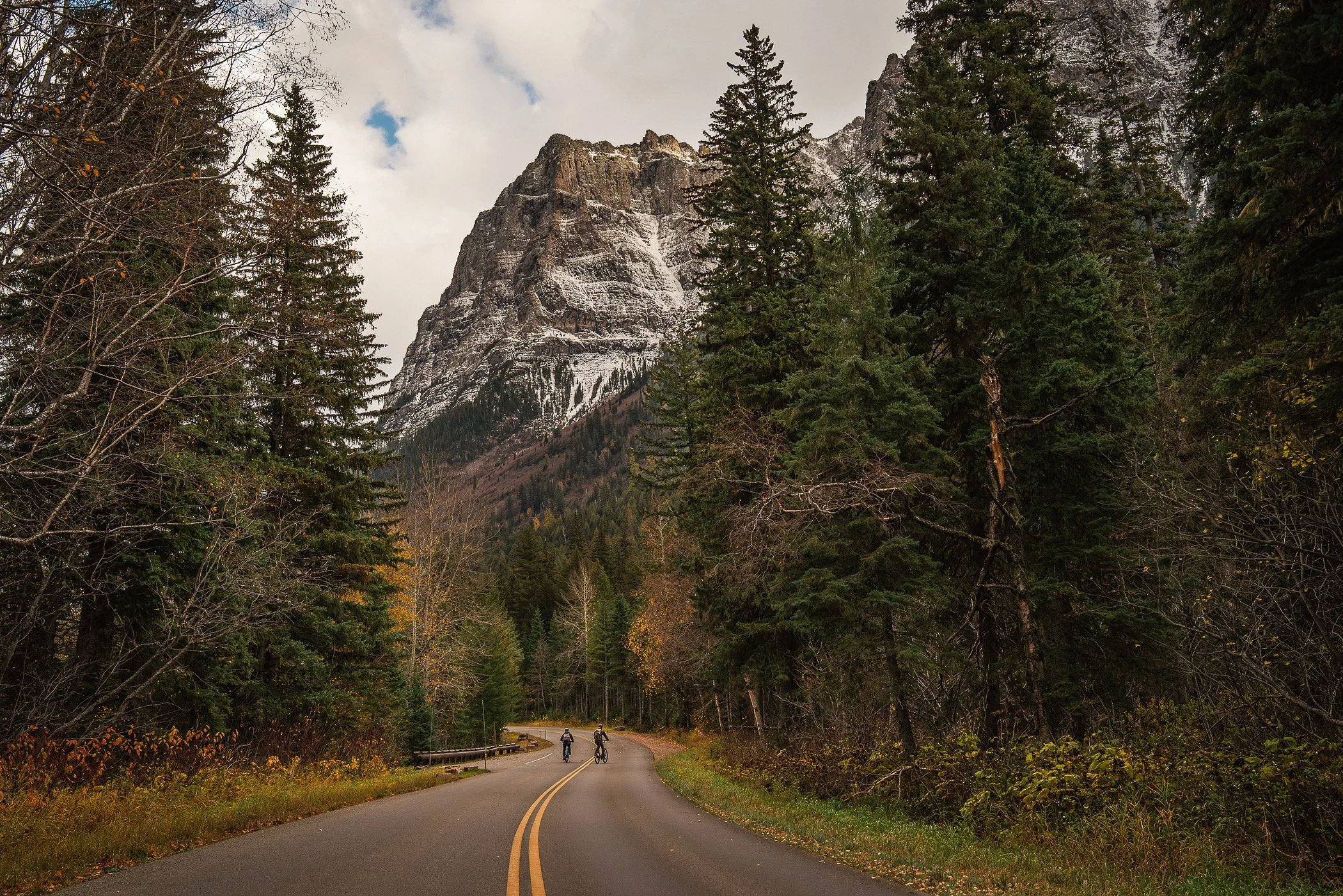
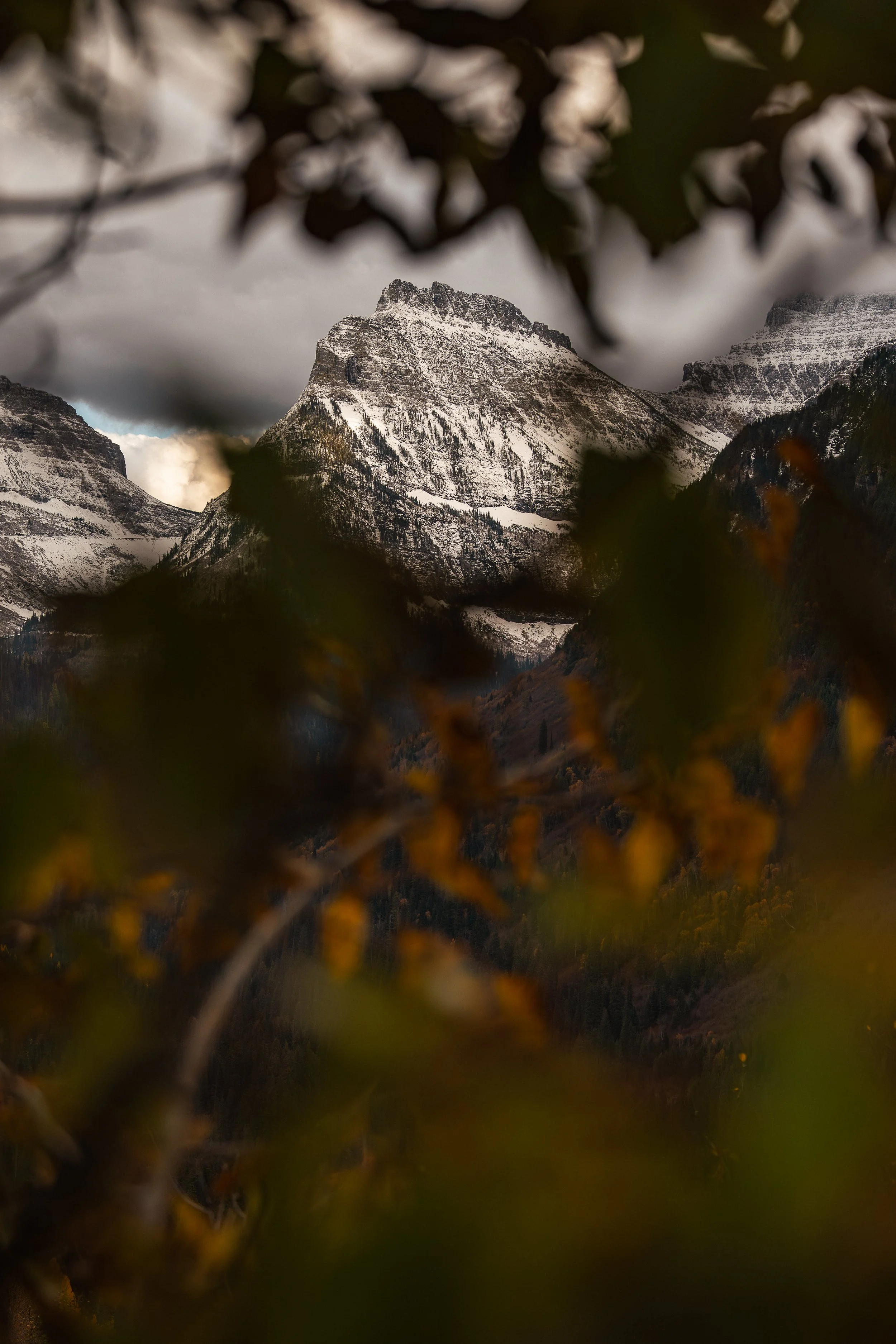
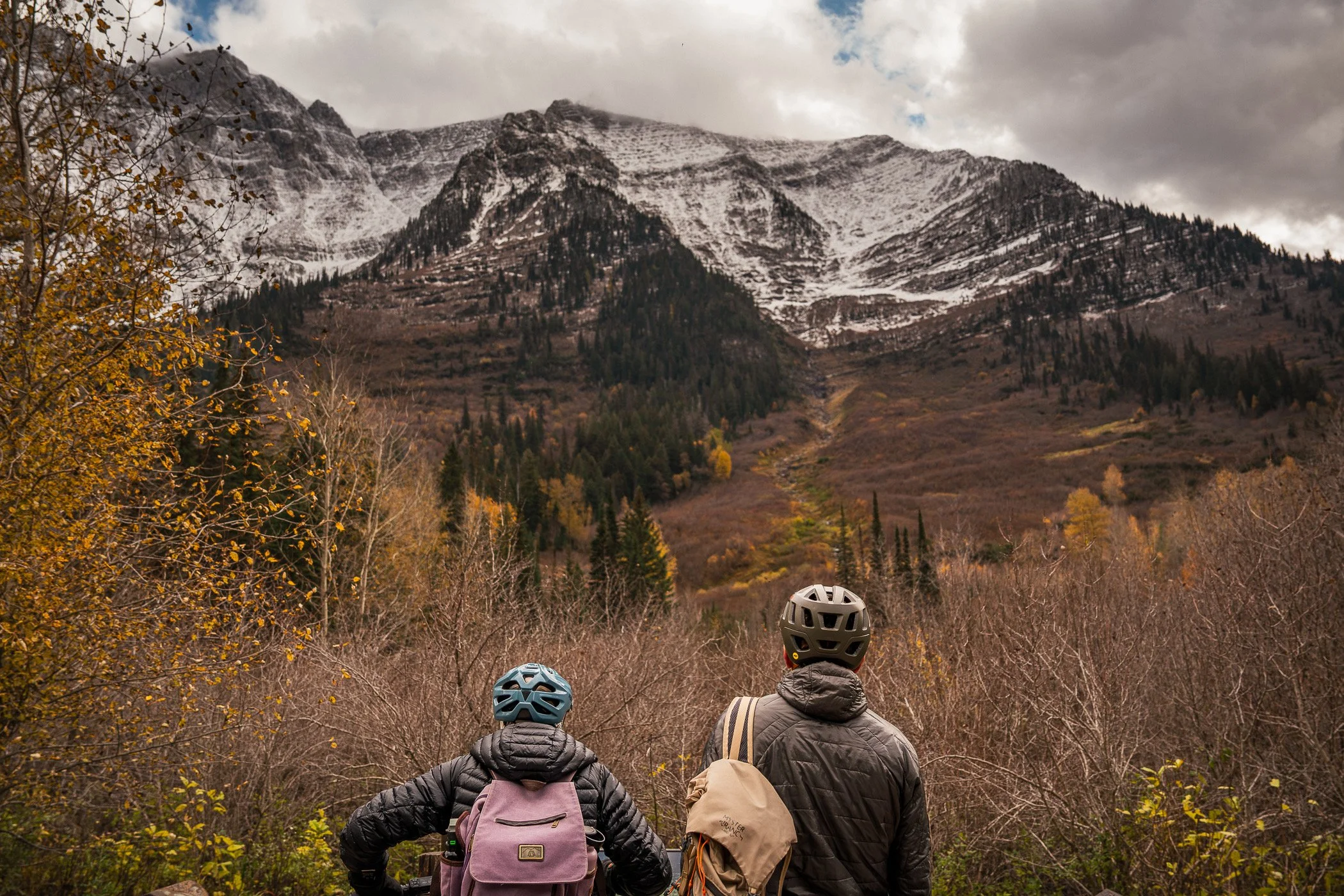
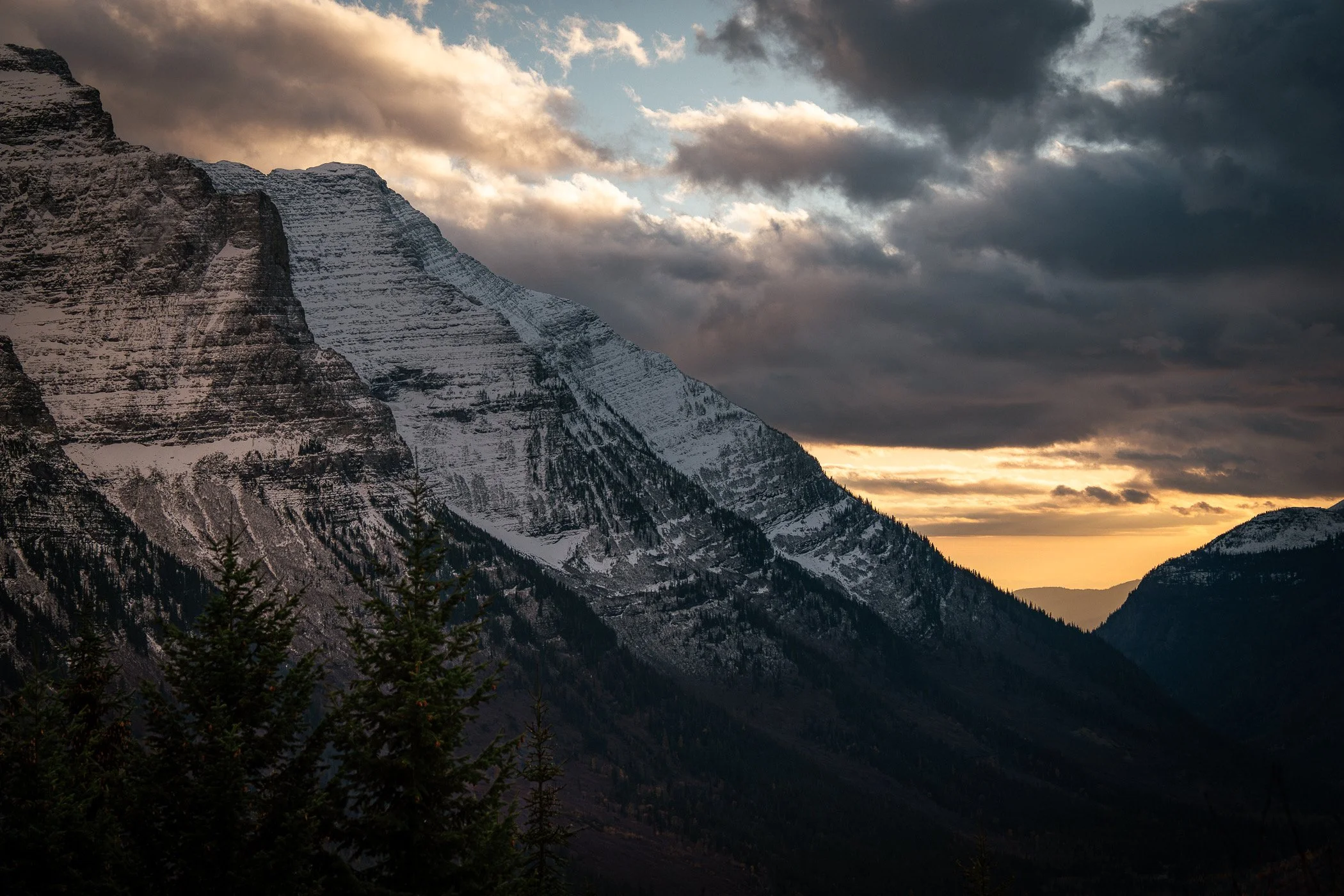
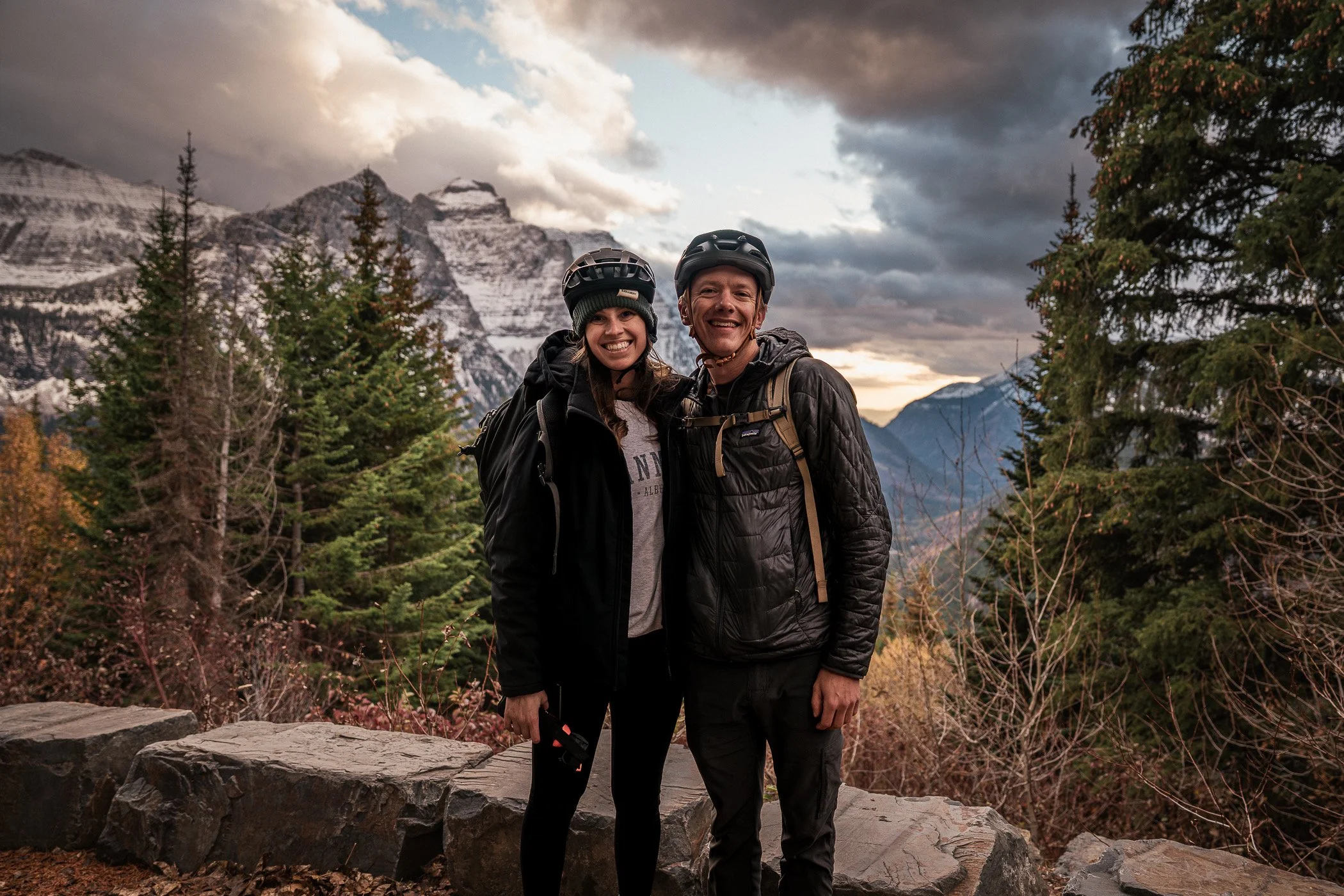
After experiencing the spring ride, I couldn’t resist returning to Glacier later in the season. Fall offers a completely different view: gold larch trees, fewer people, and that crisp mountain quiet you can only find at the edge of the season.
The climb feels different too. Cooler temps make it easier to pedal, but daylight runs short. If you’re visiting in late September or October, bring extra layers, lights, and check the NPS road status before heading out early snow or ice can close sections quickly making this an even more coveted time to ride.
Additional Resources
Looking Ahead
Next time, I plan to bike from the East Entrance at Rising Sun, version two of this post coming later this year.
If you’re planning your own ride, I’d love to hear how it goes. Comment below or join my newsletter for future park updates, new travel guides, and behind-the-scenes photography notes from the West.
*This post contains affiliate links, which means I may earn a small commission if you purchase at no extra cost to you.